Mini-split heat pumps draw more power in winter
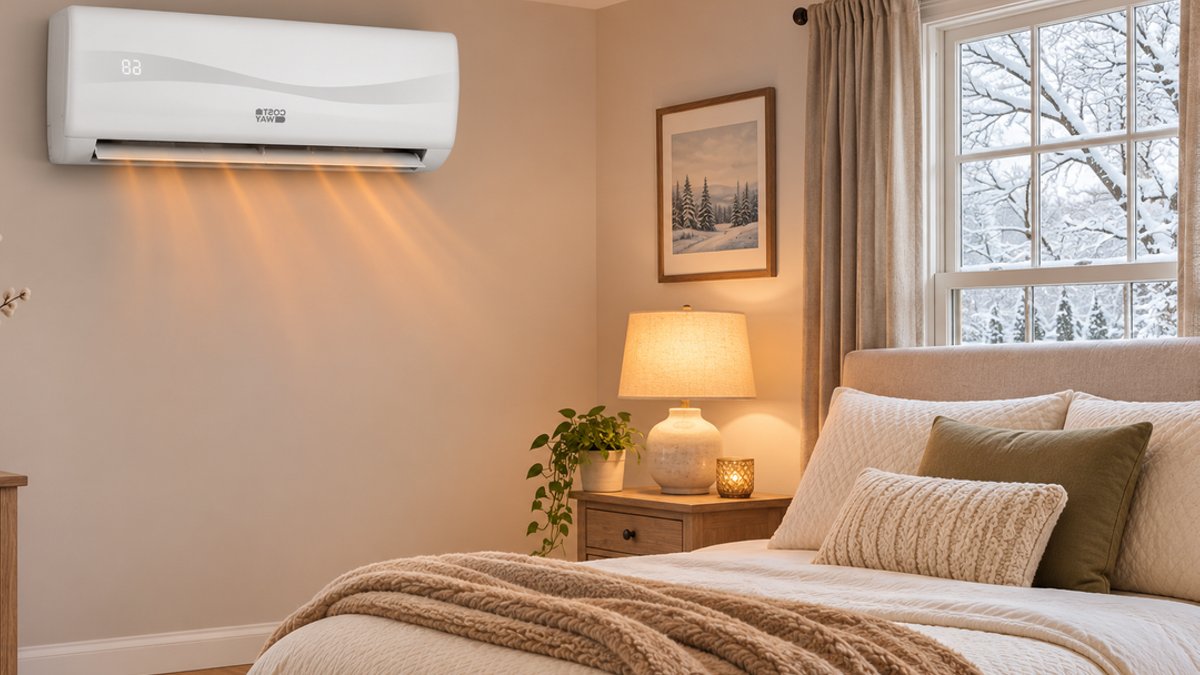
Homeowners with mini split heat pumps often notice their electricity bills climbing as winter temperatures drop, but a higher charge does not automatically signal a malfunction.
Remember that a bill reflects both energy consumption and the utility’s rate. A change in pricing or a longer billing cycle can raise the total cost even if the unit’s daily use stays roughly the same.
Cold Weather Impacts Heat Pump Efficiency
In heating mode, the outdoor unit of a heat pump absorbs thermal energy from outside air and moves it indoors. As the outdoor temperature falls, extracting that heat requires more compressor work.
At the same time, the building loses heat faster through walls, windows, doors and the roof. To maintain the thermostat setting, the compressor may run longer or operate at higher output, which reduces overall efficiency.
Performance varies by model. Units designed for mild climates can lose a sizable portion of their rated heating capacity during a cold snap, while cold-climate models retain more output. Check the manufacturer’s heating-capacity table at several outdoor temperatures, not just the minimum operating temperature.
Defrost Cycles and Ice Build-up
Moisture in cold, damp air can freeze on the outdoor coil, forming a frost layer that blocks airflow. The system periodically reverses its refrigeration cycle to warm the coil, pausing indoor heating while steam or water may appear beneath the unit.
A brief defrost cycle is normal, but thick ice that fails to clear, frequent cycles with little heating between them, or a sudden drop in indoor comfort merit inspection. The manual will list the expected frequency for a given model.
Read Also: Xiaomi Launches Premium Smartphones with Leica Cameras Globally
Even a well-sized mini split can run excessively if the home’s envelope leaks heat. Drafty windows, unsealed doors and insufficient attic or basement insulation force the unit to work longer to meet the set temperature.
Start by sealing obvious gaps, replacing worn weatherstripping, and adding door sweeps. Inspect insulation levels in the attic and basement, and keep curtains closed after sunset to reduce radiant loss.
These steps lower the building’s heat demand, which in turn shortens the system’s run time and clarifies whether a high bill stems from the equipment or the structure.
Maintaining a steady thermostat setting helps the pump operate in a predictable pattern. Large, frequent adjustments force the compressor to cycle more often, increasing electricity use.
Keep the indoor filter clean; dust buildup restricts airflow and can lower heating performance. Follow the manufacturer’s schedule for cleaning or replacement, and ensure the outdoor unit remains free of leaves, snow and other debris.
Tracking daily kilowatt-hour consumption alongside outdoor temperature provides a clear picture of how the system responds to weather changes. Noting any sharp deviations can point to emerging issues before they become costly.
This data can highlight whether the pump’s output aligns with the manufacturer’s performance curves.
Read Also: Power Apps Built Outside IT Pose Ownership Risks
Sizing and Performance Metrics
Accurate load calculations guide proper equipment selection. A qualified contractor typically uses the Manual J method to estimate heating demand.
BTU ratings alone do not guarantee comfort. Ceiling height, window area, insulation levels, and air-leakage all influence the required capacity.
Seasonal heating-efficiency ratings, such as HSPF2, reveal how much heat is delivered per unit of electricity over a season.
Low-temperature performance data show how much heating output remains at outdoor temperatures below the design point.
Defrost behavior varies by model. Some units pause heating longer while the coil thaws, affecting overall run time.
Minimum operating temperature indicates that a unit can run, not how much heat it can still produce at that temperature.
Service, Warranty, and Installation Considerations
Professional installation ensures correct refrigerant charge, proper electrical connections, and adequate clearances around the outdoor coil.
Read Also: Cancer Society Updates Prostate Screening Guidelines
Refrigerant remains sealed within the system. If heating declines, a leak diagnosis is required rather than routine topping-up.
Warranty terms typically cover parts and labor for a set period, while return policies define eligible conditions for refunds.
Local service availability influences long-term maintenance. Verify that qualified technicians serve the area before purchase.
Product listings specify voltage, efficiency ratings, and any optional features such as Wi-Fi control or variable-speed compressors.
Matching the unit’s low-temperature output to the calculated load reduces continuous operation during cold nights.
Consistently monitoring the monthly electricity statement, checking for any sudden spikes after a freeze, and arranging a service visit if the unit runs continuously for more than a few hours can
Expanded Product Range and Buying Guidance
Costway’s catalog now covers more than ten categories and over twenty-thousand SKUs, ranging from outdoor living to pet supplies. The slogan “More than Just Furniture” signals the shift beyond traditional furnishings. Its mini-split heat-pump line offers multiple capacities and configurations. Buyers can compare cooling and heating specs, voltage, efficiency ratings, and convenience features instead of focusing only on price or BTU.


