Oura sued over $300 ring’s sleep tracking claims
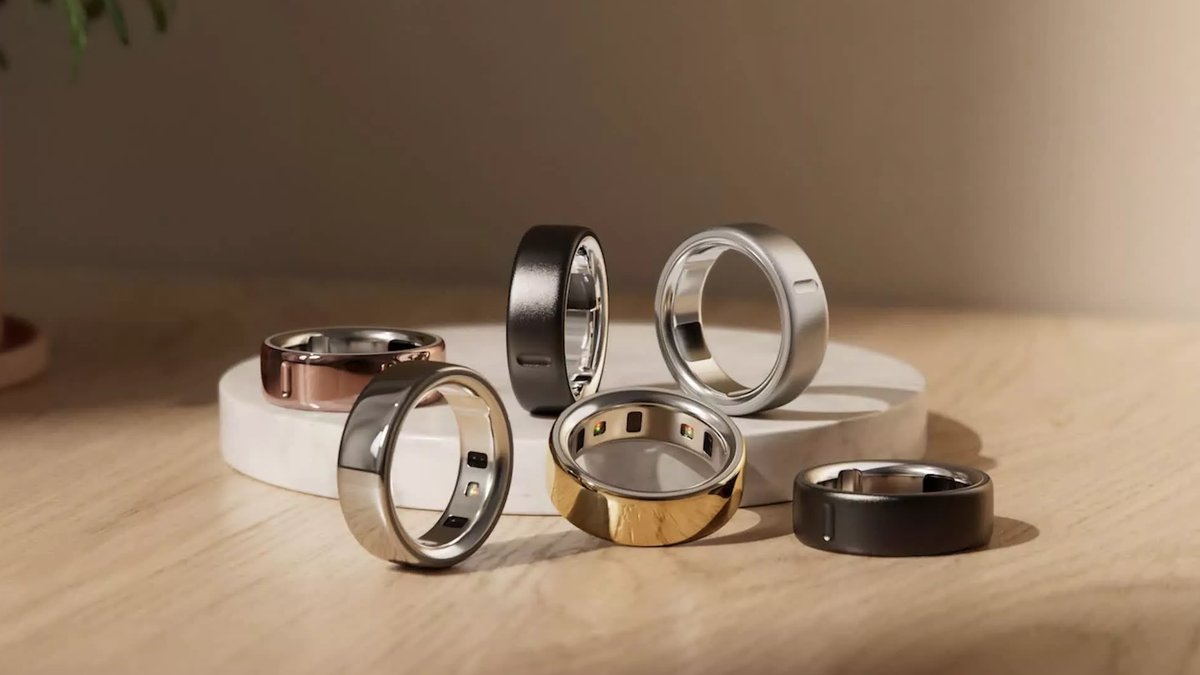
The Oura Ring, a $300 wearable marketed as a precision sleep-tracking device, is at the center of a proposed class action lawsuit alleging its claims of accuracy are misleading. Filed this week in San Francisco by Clarkson Law Firm, the complaint argues the ring’s technology cannot directly measure the physiological signals needed to assess sleep quality or stages.
Instead, the lawsuit claims, the device relies on AI-generated estimates that amount to little more than a “coin flip’s chance of being correct.”
How the Oura Ring tracks sleep—and why critics say it falls short
The Oura Ring collects data from sensors on a wearer’s finger, including heart activity and skin temperature. That information is processed through software to generate sleep reports, readiness scores, and activity metrics. But the lawsuit contends this method cannot match the precision of a clinical sleep study.
Sleep stages—light, deep, REM, and wake—are typically determined using electrodes placed on the scalp and sensors near the eyes. The complaint states: “Sleep happens in the brain, not on one’s finger.” Without those direct measurements, the plaintiffs argue, the ring’s assessments are inherently limited.
Oura has previously advertised its product as “built for accuracy,” with the company claiming 79% accuracy in its measurements and later revising that figure to 95% for sleep-staging accuracy compared to clinical labs. The lawsuit alleges these marketing claims overstate what a finger-worn device can realistically achieve.
Related: Sony may cancel Horizon live service game
Consumer complaints and legal demands
The lawsuit follows years of online criticism from users who say the ring’s sleep reports don’t align with their actual experiences. Some have reported the device logging strong sleep scores on nights they felt exhausted, while others have questioned its ability to accurately detect REM and deep sleep.
The plaintiffs are seeking to stop Oura from making what they describe as misleading claims about the ring’s capabilities. They’re also asking for restitution for consumers who purchased the product based on those claims. Oura has not responded to requests for comment.
If the case moves forward, it could force wearable companies to clarify the limitations of their health-tracking features—or risk similar legal challenges. For now, the lawsuit raises questions about how much consumers should trust AI-driven sleep estimates when making health decisions.
The ring’s popularity has grown in recent years, with endorsements from athletes and celebrities. But the legal dispute highlights a broader tension in the wearable market: the gap between what these devices promise and what they can scientifically deliver.

Sony may cancel Horizon live service game


