Kenya Senate Rejects New AI Bill Due to Heavy Penalties
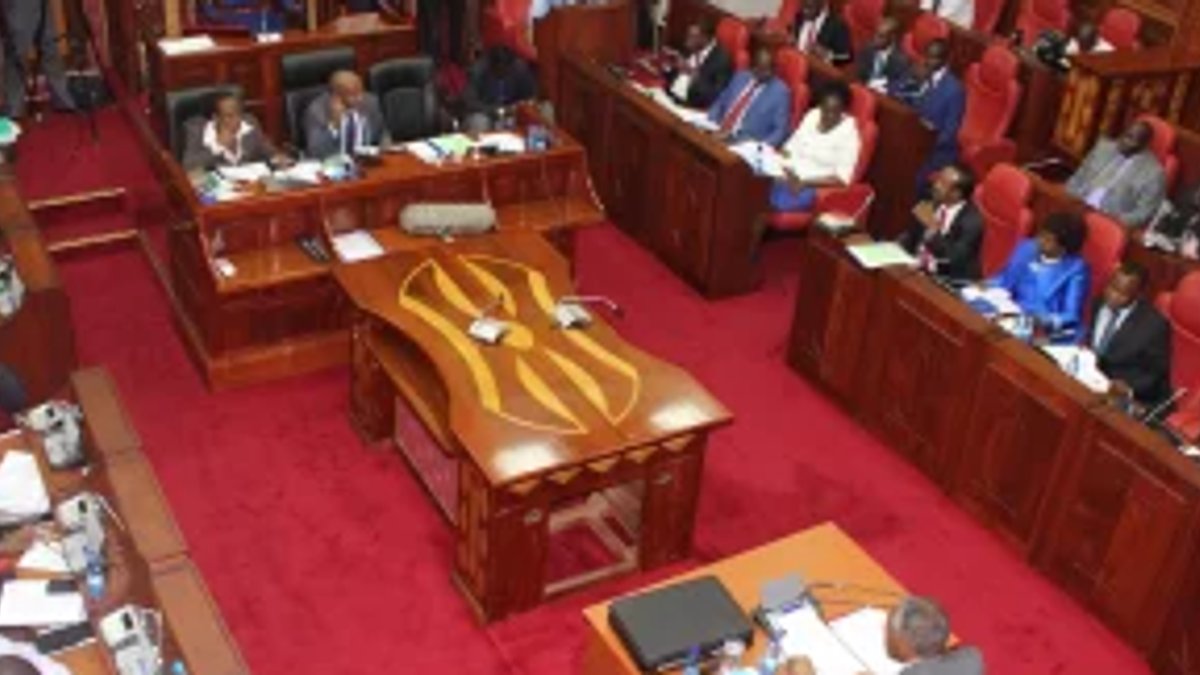
Kenya’s inaugural AI-specific legislation has hit a roadblock within the Senate’s committee stage process for adopting new regulations.
Heavy Penalties and Strict Rules
The Information, Communication, and Technology Standing Committee dismissed the 2026 Artificial Intelligence Bill, arguing its penalties were excessive and its regulations too burdensome for an emerging industry.
In addition to the Commissioner’s role, the committee suggested creating an AI Authority to establish industry standards and oversee testing environments for startups. An Advisory Committee would also be formed to guide the government on emerging AI risks and trends.
Given the Bill’s ambitions, the penalties it carried were bound to attract attention. Fines of up to KES 5 million, or a percentage of annual turnover, sat alongside criminal liability for offenses including harmful deepfakes, with prison terms of up to two years. The committee’s position was that this combination of heavy fines, criminal exposure, and strict ongoing compliance duties would not just regulate the sector but actively discourage participation in it, pushing local developers out of a market still too young to absorb that kind of regulatory cost.
The Reality of the Local Sector
That concern is not unfounded. Kenya‘s AI sector is not built on large companies with legal teams and compliance budgets. It is built on startups adapting open-source tools for local problems in agriculture, healthcare, lending, and education, operating with thin margins and limited access to capital.
The committee’s decision leaves two critical issues unresolved: over-regulation could stifle investment and drive developers to less regulated markets, while under-regulation poses risks to privacy, fairness in automated decisions, and protection from AI manipulation, with limited legal options for affected individuals.
The bill had also flagged something the committee’s rejection does not erase, which is that existing laws carry gaps. It cited the Science, Technology and Innovation Act and the Data Protection Act, Cap 411C, as frameworks that do not go far enough to govern how AI systems operate in Kenya today. The rejection of the bill serves as a verdict on its design, rather than on the necessity of regulation.
The Bill also aimed to involve county governments, mandating the Commissioner to advise them on AI applications in healthcare, agriculture, and education, with the Advisory Committee including nominees from the Council of Governors. This acknowledges the current use of AI in county services, often without proper governance.


