Karbonn Relaunches Budget Smartphones in India’s Competitive Market
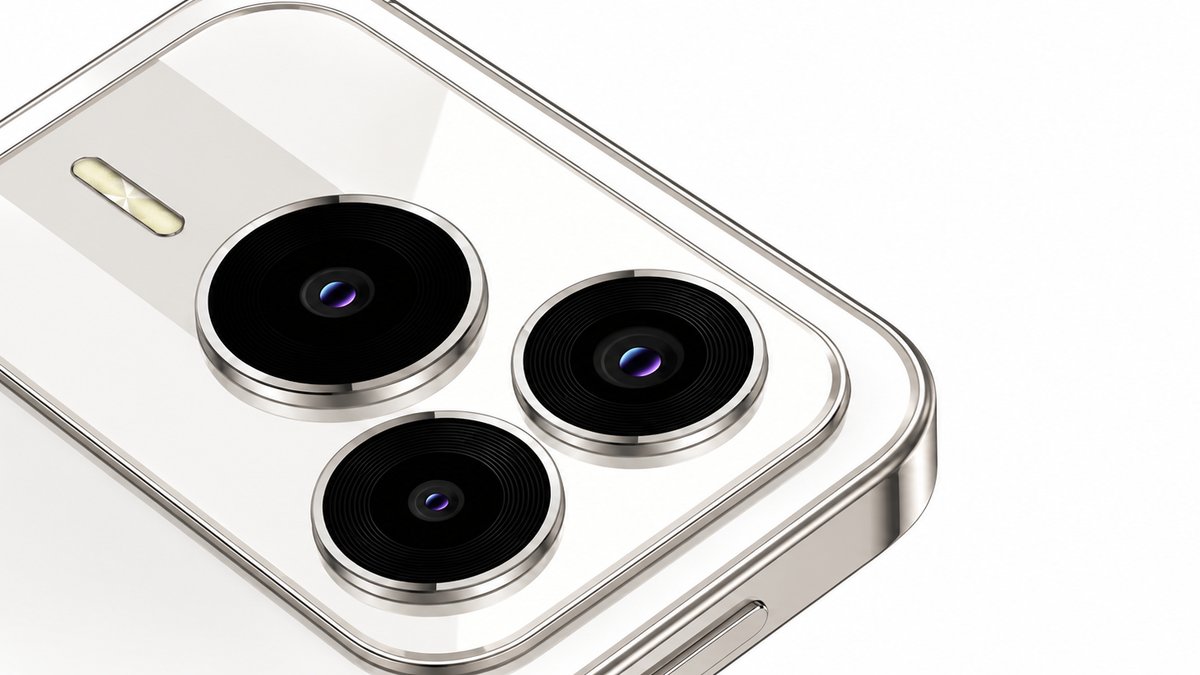
Karbonn Mobiles has re-entered India’s smartphone market with two new budget Android handsets: the Rebel and Rebel Pro. These devices mark the brand’s return after years of focusing on feature phones, with the official launch date set for November 2, 2026, and sales beginning on November 4, 2026, at 12 PM IST (1:30 AM ET) exclusively on Amazon India.
The phones will be available starting at approximately $115 USD after discounts, targeting budget-conscious consumers in a market where smartphone prices rose by 16 percent in the first half of 2026. This strategic pricing aims to appeal to buyers who may have been priced out of the market, leveraging Karbonn’s domestic brand recognition against Chinese competitors like Vivo, Oppo, and Xiaomi, which dominate with 16 percent, 12 percent, and 12 percent market shares, respectively, as of Q3 2026.
Karbonn, founded in 2009 as a joint venture between Delhi-based Jaina Group and Bengaluru-based United Telelinks Limited (UTL), was once a major player in India’s smartphone market. At its peak in the third quarter of 2014, it ranked fourth alongside Micromax, Lava, and Intex, collectively known as the “MILK” brands, controlling roughly 45 percent of India’s handset market.
A Return to the Market
CEO Pradeep Jain emphasized the brand’s focus on “young India” during the launch, stating, “Today’s young India buys with intent. They want technology that fits their lives and lets them express who they are, not a premium paid for someone else’s idea of status.” This positioning reflects Karbonn’s strategy to cater to budget-conscious buyers with features like battery life, display quality, and camera capabilities.
The Rebel boasts a 7,000 mAh battery with 18W wired fast charging, a 6.75-inch (17.15 cm) HD+ LCD display with a 90Hz refresh rate and 650 nits of peak brightness, and a 50MP AI-enhanced primary camera. The Rebel Pro offers a 6,000 mAh battery with 20W charging, a 6.7-inch (17 cm) HD+ LCD display with a 120Hz refresh rate and 720 nits of peak brightness, and a 64MP AI dual-camera system with a 16MP front-facing camera.
Both models share features such as Android 16, IP64 dust and splash resistance, a 3.5mm headphone jack, USB Type-C charging, a side-mounted fingerprint sensor, face unlock, and Google Gemini AI integration.
The 5G Question
One notable absence in the Rebel series is 5G connectivity. Both phones use the MediaTek Helio G81, a 12nm 4G chipset, which keeps costs down but limits their appeal in a market where 5G smartphones accounted for 88 percent of sales in 2025. This decision reflects a trade-off: prioritizing battery life and software experience over 5G connectivity.
While 4G speeds may suffice for some users, especially in urban areas, the lack of 5G might deter those seeking future-proof devices. Karbonn has announced a Rebel 5G variant, but details remain undisclosed. This upcoming model will test Karbonn’s ability to compete with Chinese brands on 5G specifications.
The Rebel and Rebel Pro will be available on Amazon India starting November 4, 2026, with prices starting at approximately $115 USD after discounts. The Rebel is priced at ₹10,999 ($115) after a ₹1,000 ($10) bank discount, while the Rebel Pro is priced at ₹11,499 ($120).
Strategic Choices
The MediaTek Helio G81 chipset, while capable for basic smartphone workloads like messaging, video streaming, navigation, and light gaming, lacks 5G capability. Adding 5G would require a more advanced silicon node, typically 6nm or smaller, which would significantly increase costs.
By using the 12nm 4G chipset, Karbonn keeps the price at ₹11,999, allowing for a bigger battery and a cleaner software experience. This calculation made sense in 2023, but in 2026, it is more complicated. India’s budget 5G shipments in the ₹6,000–₹8,000 range grew over 1,900 percent year-over-year in 2025, and the ₹10,000–₹13,000 5G segment grew more than 138 percent year-over-year in the second quarter of 2025.
Despite this, the Rebel series offers unique advantages. A 7,000 mAh battery on a 4G phone will outlast most 5G phones at a similar price point due to the power efficiency of 4G radios. Additionally, Android 16 is a significant differentiator, as most competitors in this segment still ship with Android 14 or Android 15. Karbonn’s commitment to two OS upgrades means buyers will receive Android 17 and Android 18, potentially extending the phone’s software relevance to 2028 or beyond.
The Rebel series targets users who prioritize practicality and affordability over the latest network technology. Its success will hinge on whether this segment remains sizable enough in India’s rapidly evolving smartphone market. The distribution strategy, however, is a challenge. Karbonn’s historical strength was its offline presence in tier-2 and tier-3 cities, but the Rebel launch is Amazon India-exclusive, sidelining the physical network where Karbonn’s brand equity was strongest.


