Wearable Device Monitors Cortisol Levels in Real Time
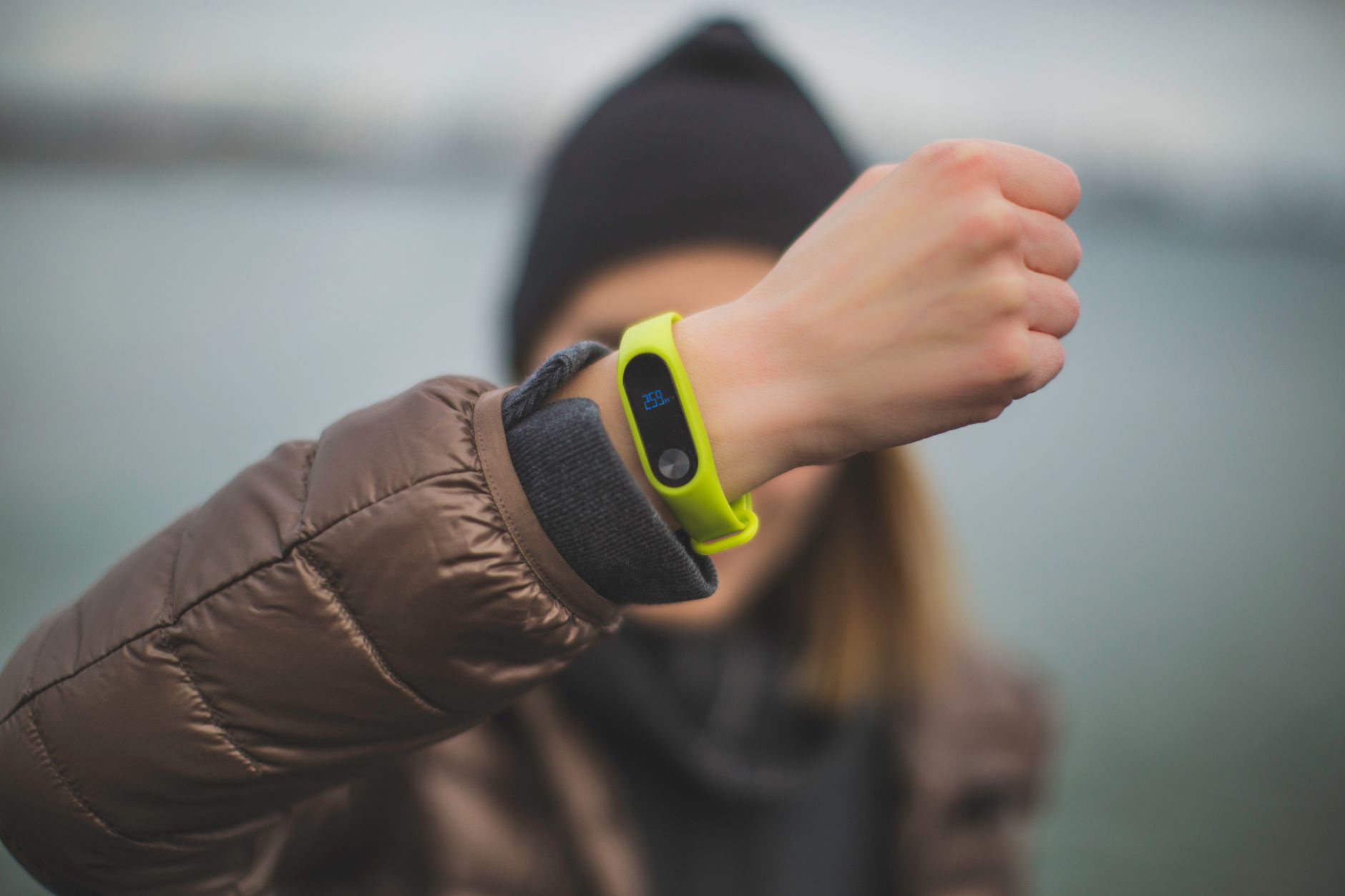
IEEE Spectrum reports that a new wearable device capable of monitoring cortisol levels is being developed, positioning the stress hormone as a potential focus for next‑generation health trackers.
Device aims to give real‑time insight into stress
The prototype, described in the article, integrates a sensor that detects cortisol in sweat and relays the data to a paired smartphone app. According to the report, the technology could allow users to see how their hormone levels change throughout the day, offering a more direct measure of physiological stress than heart‑rate variability alone.
Engineers behind the device say the sensor relies on a thin film that reacts to cortisol molecules, producing an electrical signal that the wearable’s microprocessor interprets. The signal is then transmitted via Bluetooth to the user’s phone, where the app visualizes trends and alerts the wearer to spikes that may warrant attention.
Potential applications and early concerns
Beyond personal wellness, the monitor could find uses in occupational health, where employers track stress exposure among workers in high‑pressure environments. The report notes that clinicians might also use the data to complement existing diagnostic tools for anxiety‑related disorders.
However, the article cautions that accuracy and reliability remain under evaluation. Early testing has focused on calibrating the sensor against laboratory‑grade cortisol assays, but the report does not provide specific performance metrics. Privacy considerations are also highlighted, as continuous hormone monitoring raises questions about data ownership and the potential for misuse.
Related: NASA Robots Gain Assembly Skills
Industry observers point out that the wearable market has largely centered on heart rate, activity, and sleep metrics. Introducing a biochemical marker like cortisol could broaden the scope of consumer health devices, but it also challenges manufacturers to meet regulatory standards typically applied to medical diagnostics.
In practice, such a device could give individuals a clearer picture of how daily habits—exercise, caffeine intake, or work schedules—affect their stress physiology. If the sensor proves reliable, users might adjust routines based on concrete feedback rather than subjective feeling alone.
While the technology is still in a prototype phase, the article indicates that further field trials are planned to assess long‑term wearability and sensor durability. No timeline for commercial release is mentioned, and the report does not name any companies currently pursuing mass production.
Overall, the development reflects a growing interest in biochemical monitoring as a complement to existing wearable functions. Whether cortisol tracking will become a mainstream feature depends on the outcomes of upcoming validation studies and the industry’s ability to address privacy and regulatory hurdles.

NASA Robots Gain Assembly Skills


