Indian girls explore STEM careers through IEEE program
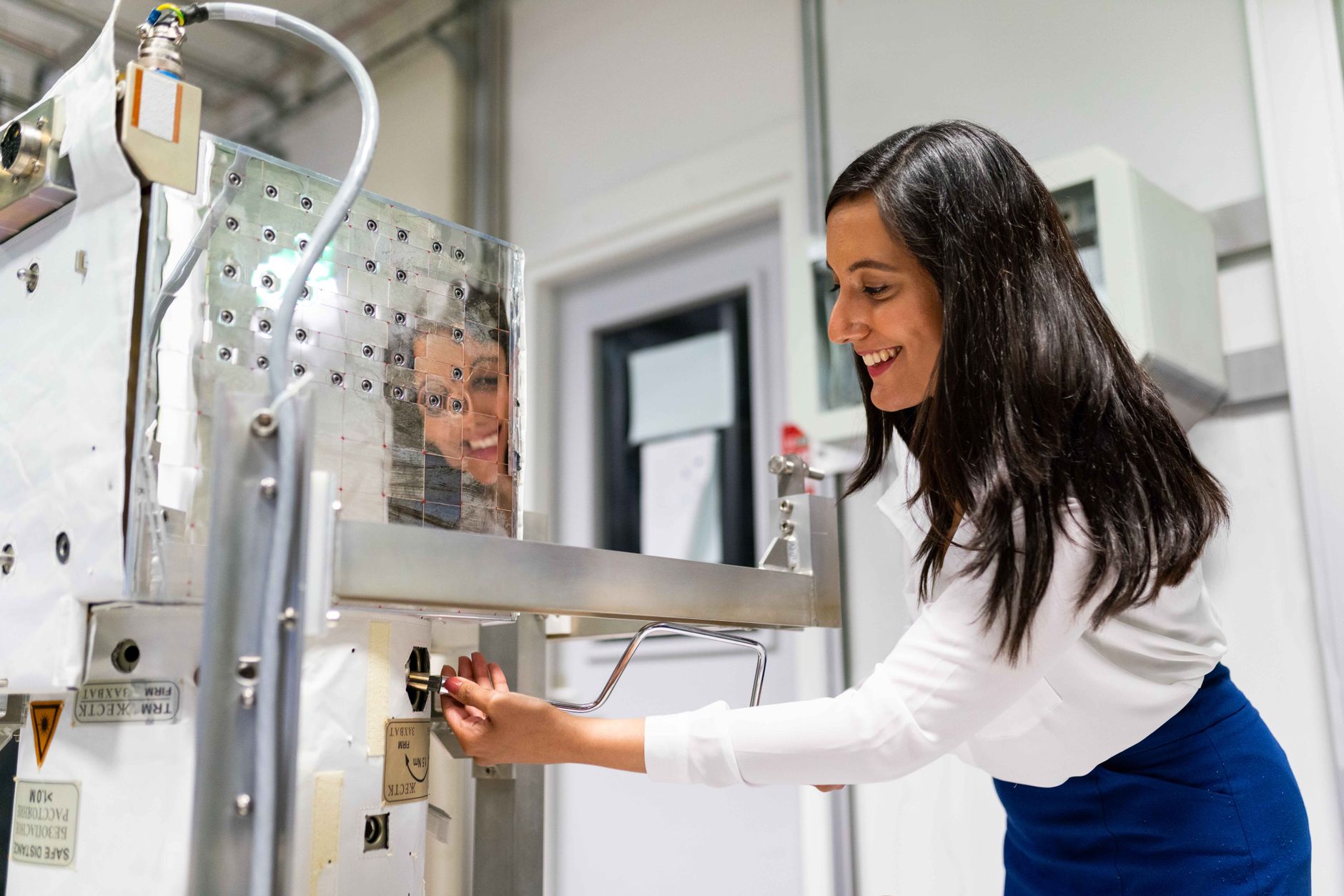
In a country where fewer than 15% of engineering graduates are women, the world’s largest technical professional organization has introduced an initiative to change those figures. The IEEE’s TryEngineering Summer Institute for Girls, held across three Indian cities, has attracted over 1,200 high-school students to week-long camps centered on robotics, coding, and circuit design.
Program structure
The camps operate for five days each summer in Bangalore, Hyderabad, and Delhi. Mornings include hands-on workshops where participants build simple robots, write Python scripts, or solder LED circuits. Afternoons feature guest lectures from women engineers. On the final day, teams present capstone projects.
Selection relies on a short essay and teacher recommendation, with no entrance exam to avoid favoring students from elite schools. Approximately 40% of participants come from government-run or low-cost private schools where STEM resources are limited.
Related: Wearable Device Monitors Cortisol Levels in Real Time
Key results
Among the 1,214 girls who attended, 68% had never written code before. By the end of the week, 83% expressed they were likely to pursue engineering in college.
This growth will expand the program to Mumbai and Chennai and double available scholarships. Despite this, the waiting list already exceeds 3,500 names.
The focus isn’t on what the girls create but that they create at all.
India’s education system often directs girls toward medicine or teaching, fields perceived as secure and socially acceptable. Engineering, particularly in hardware or robotics, is frequently dismissed as too technical or male-dominated. The summer camps challenge this view by making the work tangible and engaging. A Bangalore student initially believed robotics was “only for boys who play video games all day.” After assembling her first circuit, she reconsidered: “I realized I could do it too, and it was actually kind of cool.”
Related: China’s humanoid robot wins marathon with liquid cooling
These outcomes are intentional. The curriculum avoids the dry, lecture-heavy approach common in many Indian STEM programs. Instead, it adopts a “maker movement” style, prioritizing quick prototypes and trial-and-error. When a robot’s wheels fail, instructors don’t fix it—they guide the girls to troubleshoot independently. This method builds confidence while reflecting the iterative nature of real engineering.
The initiative isn’t merely about encouraging girls to engage with technology. India’s tech sector is expected to reach $350 billion by 2026, yet women occupy only 26% of tech roles. The disparity isn’t just about equity; it represents lost talent. If half the population is discouraged from entering the field, the industry misses diverse perspectives and problem-solving approaches. The camps serve as a modest but meaningful step toward change.
Post-camp support
Participation doesn’t end after the week concludes. Every attendee joins an online community where they can seek advice, share projects, and connect with mentors. IEEE also hosts quarterly “reunion” webinars featuring women engineers discussing their careers in fields like aerospace and semiconductor design.
Related: 5 WAYS TECHNOLOGY AFFECTS OUR EVERYDAY LIVES
For some, the impact is immediate. A Hyderabad student who previously dismissed engineering enrolled in an after-school robotics class and later won a national science fair. Another from a rural Karnataka school used her new skills to develop an app helping farmers check crop prices. Neither had envisioned themselves as future engineers before the program.
The true challenge lies in whether these girls persist in STEM through college and beyond. India’s engineering colleges remain male-dominated, and workplace biases endure. A 2022 study found 60% of women engineers in India leave the profession within eight years, often citing poor mentorship or unwelcoming environments. While the camps can’t resolve these systemic issues, they introduce the idea that engineering is a viable and exciting career path.
Next year, IEEE plans to extend the program to 10 cities and introduce a climate tech track. The aim isn’t solely to teach coding—it’s to demonstrate that their ideas have value and that the tools to shape the future belong to everyone.

Wearable Device Monitors Cortisol Levels in Real Time


