LEDs worsen light pollution problem
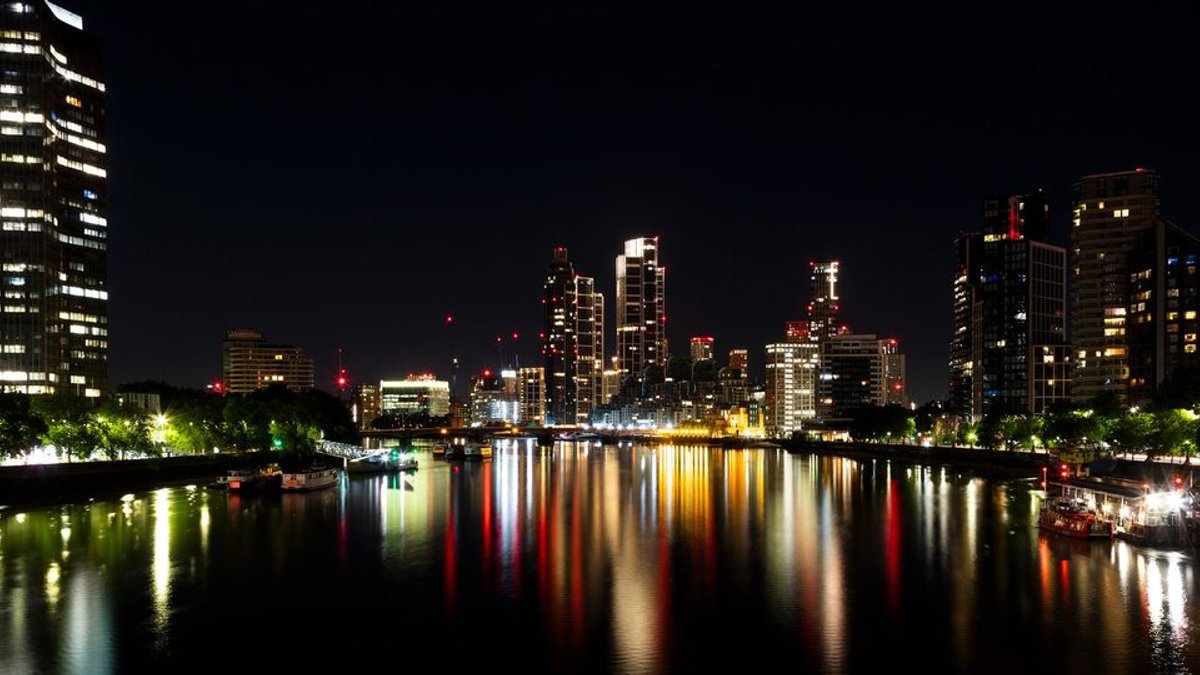
Cities switched to LEDs to cut energy use and carbon emissions. The change made light pollution worse.
The transition aimed to save money and reduce glare, but cheaper, brighter LEDs led to over-lighting—more fixtures, higher wattage, and extended operating hours.
The rebound effect
LEDs consume about 75% less energy than traditional sodium-vapor lamps. That efficiency was meant to lower electricity demand. Instead, cities installed additional lights. Los Angeles reduced energy use by 63% after adopting LEDs, yet the number of streetlights rose by 28%. New York, London, and Shanghai followed similar trends.
Lower costs also caused “light sprawl.” Municipalities expanded lighting to parks, parking lots, and residential streets that were previously dark. The New World Atlas of Artificial Night Sky Brightness reported that 80% of the global population now lives under light-polluted skies, up from 66% in 2016.
The issue extends beyond wasted energy. Excess light disrupts ecosystems, confuses migratory birds, and suppresses melatonin in humans, raising risks for sleep disorders and certain cancers.
Related: Indian girls explore STEM careers through IEEE program
Blue light and design flaws
Early LEDs produced a harsh blue-white light that scatters more in the atmosphere than warmer tones. This scatter intensifies skyglow, the diffuse brightness that blocks stars. While newer LEDs can be adjusted to warmer colors, many cities still use 4000K or higher color temperatures to improve visibility.
Light shields and downward-facing fixtures were intended to limit glare. Cost-cutting often resulted in poor installations.
Regulations have not kept up. The International Commission on Illumination suggests a maximum of 0.5 lux for residential areas at night. Many U.S. cities exceed this by ten times or more. In Phoenix, some main roads measure 50 lux—brighter than an office workspace.
This pattern mirrors past efficiency backfires. Air conditioning adoption in the 1950s led to larger homes and higher cooling demands. The LED shift follows the same cycle: progress enabling overuse rather than reducing it.
Reversing the trend
Some cities are taking action. Flagstaff, Arizona, became the first International Dark Sky City in 2001. It requires warm-color LEDs (2700K or lower) and strict lumen limits. The outcome was a 30% reduction in skyglow since 2018, with no increase in crime or traffic accidents.
Related: Smart wheelchairs near everyday use
Tucson dimmed streetlights by 60% after midnight. A 2021 study found no rise in nighttime collisions or emergency calls. The approach now saves the city $2 million each year in energy costs.
Technology provides solutions. Smart controls adjust brightness based on activity. Amsterdam installed 10,000 adaptive LED streetlights that dim to 20% when no one is nearby. The system reduced energy use by 70% without resident complaints.
Adoption remains limited. A 2024 IEEE survey showed only 12% of U.S. municipalities use adaptive lighting. Most rely on static schedules or manual adjustments. Upfront costs deter many, though the systems pay for themselves within 3-5 years.
The advocacy group DarkSky International argues that the solution requires less light overall. Their model ordinance recommends capping outdoor lighting at 0.3 lux for most areas and banning non-essential illumination after 11 p.m. So far, only a few small towns have adopted these measures.

Indian girls explore STEM careers through IEEE program


